Category: Travel

  • Bali Water Sports Tours: A Thrill-Seeker’s Guide to Fun in the Sun

    Bali Water Sports Tours: A Thrill-Seeker’s Guide to Fun in the Sun

    When it comes to Bali island, you probably picture those dreamy sunsets, rice terraces, or maybe sipping a fresh coconut on the beach. But let me tell you something—Bali isn’t just for chilling. It’s also an adrenaline junkie’s paradise, and the water sports scene here is unreal. Whether you’re into speeding across the waves, diving into the deep blue, or floating leisurely above it all, there’s something for everyone. Been there, done that, got the sunburn—so buckle up, because I’m spilling everything you need to know about making the most of Bali’s water sports tours.

    Read also: Bali and Lombok Combined Tour

    The Big Players: Must-Try Bali Water Sports

    Alright, let’s dive right in (pun totally intended). Tanjung Benoa is the go-to hub for water sports in Bali. It’s packed with operators offering everything from banana boat rides to parasailing. The sheer variety can be overwhelming, so let me break it down for you:

    • Jet Skiing: Honestly, nothing beats the rush of skimming over the water at full speed. I’ll never forget my first time—it was chaotic in the best way possible. Just a heads-up, though: stick to the designated zones because the Bali waters can get busy, and you don’t want to crash into a fishing boat. Been there, not fun.
    • Parasailing: If you’re all about the views, parasailing is a no-brainer. You’ll get a bird’s-eye view of Bali’s coastline, and on a clear day, you can see the mountains in the distance. Pro tip? Don’t skimp on sunscreen unless you want a lobster-red face for your Instagram pics.
    • Banana Boat Rides: This one’s pure chaos and laughs. It’s perfect if you’re with a group because, let’s be real, nothing bonds people like being thrown into the water mid-scream.
    • Snorkeling and Scuba Diving: Head to Nusa Penida or Menjangan Island if you want to explore Bali’s underwater magic. The coral reefs are out of this world, and if you’re lucky, you might even spot a manta ray. Trust me, once you see a vibrant coral reef up close, it’s hard to go back to the regular old poolside life.

    What to Pack (And What I Learned the Hard Way)

    Here’s the thing about Bali water sports—there’s a fine line between being prepared and overpacking. I’ve done both, so let me save you the trouble.

    • Essentials: Waterproof sunscreen (reef-safe, please—let’s not destroy the environment while enjoying it), a rash guard, and a good pair of water shoes.
    • Avoid: Your favorite pair of sunglasses unless they have a strap. I learned this the hard way after donating mine to the ocean during a particularly aggressive banana boat ride.
    • Nice-to-Haves: A dry bag for your phone and cash. You’ll thank me when you’re not fishing soggy bills out of your pocket.

    The Good, The Bad, and The Scary

    Not gonna sugarcoat it—Bali water sports are insanely fun, but they’re not all sunshine and rainbows. Here’s the real tea:

    • The Good: The affordability. Seriously, where else can you ride a jet ski or snorkel with tropical fish for under $30? Plus, the staff at most places are super friendly and patient, even if you’re a total beginner.
    • The Bad: The crowds. Tanjung Benoa can get packed, especially in the high season (July-August). If you’re not a fan of waiting or dealing with noisy tour groups, aim for early morning slots.
    • The Scary: Safety can be hit or miss, depending on the operator. Always, always check their equipment and reviews. If the life jacket looks like it’s been through a war, it probably has.

    How to Pick the Right Water Sports Operator

    There are so many companies offering water sports tours, it’s kind of ridiculous. Some are great, others… not so much. Here’s my strategy:

    1. Ask Around: Chat with locals or fellow travelers. Personal recommendations are worth their weight in gold.
    2. Check Reviews: Yeah, yeah, I know this sounds obvious, but dig deeper than just the star rating. Look for comments about safety and customer service.
    3. Haggle Smart: Bargaining is pretty standard in Bali, but don’t be a jerk about it. Most operators are willing to cut you a deal, especially if you’re booking multiple activities.

    Insider Tips to Level Up Your Bali Water Sports Adventure

    • Timing is Everything: Avoid the midday heat unless you want to feel like a roasted marshmallow. Early mornings not only mean cooler temps but also calmer waters.
    • Bring Small Bills: Tipping is appreciated, and some operators only accept cash. Don’t be that person trying to pay with a $100 bill.
    • Hydrate Like Crazy: It’s easy to forget when you’re having fun, but dehydration is no joke. And no, Bintang doesn’t count as hydration (I wish it did).

    So there you have it—my chaotic, sunscreen-filled guide to Bali’s water sports tours. Whether you’re a first-timer or a seasoned pro, there’s no shortage of fun to be had on the water. Just remember to stay safe, pack smart, and soak up every second of this tropical playground. And if you do end up with a sunburn… well, welcome to the club.

    Best Spots for Bali Water Sports Beyond Tanjung Benoa

    Let me let you in on a little secret: while Tanjung Benoa might be the most famous water sports hub, it’s not the only place to get your splash on. Here are a few other gems that offer a unique experience without the crazy crowds:

    • Sanur Beach: Perfect for those who prefer a more laid-back vibe. You won’t find the high-energy thrill rides here, but Sanur is ideal for stand-up paddleboarding (SUP) and kayaking. Plus, the waters are super calm, so even beginners won’t feel like they’re about to capsize every five seconds.
    • Amed and Tulamben: Located on Bali’s eastern coast, these spots are an absolute dream for snorkeling and diving. The USAT Liberty shipwreck in Tulamben is a must-see if you’re into diving. It’s teeming with marine life, and the eerie beauty of the wreck is something you’ll never forget.
    • Nusa Lembongan: A quick boat ride from Bali, this island is the place to go for diving, snorkeling, and even surfing. The Mangrove Point here offers some of the clearest water you’ll ever see. Bonus: fewer crowds and a more chill vibe than mainland Bali.

    Common Mistakes (And How to Avoid Them)

    Listen, I’ve made my fair share of blunders when it comes to water sports in Bali. Learn from my mistakes so you don’t end up in the same boat (literally or figuratively):

    • Skipping the Weather Check: Bali’s weather can be a bit unpredictable. A sunny morning doesn’t always mean a sunny afternoon. Always check the forecast, and if the skies look dicey, maybe save the parasailing for another day.
    • Not Booking in Advance: I get it—Bali’s laid-back vibe makes you want to wing it. But for popular activities like scuba diving or jet skiing, it pays to book ahead, especially during the high season. Trust me, nothing kills the vibe faster than showing up and being told there’s no availability.
    • Underestimating the Sun: Look, I know I’ve harped on sunscreen already, but seriously, the Bali sun is no joke. Even if it’s cloudy, slap some SPF on. And don’t forget spots like the back of your neck or the tops of your feet—they burn way too easily.
    • Skipping the Briefing: You might think, “I’ve done this before, I don’t need to listen.” Big mistake. Every operator does things a little differently, and knowing their safety procedures can save you a lot of hassle—or even save your life.

    Can You DIY Water Sports in Bali?

    If you’re the adventurous type (and a bit of a cheapskate like me), you might be wondering if you can skip the tours and do your own thing. The answer is… sort of.

    For stuff like snorkeling or SUP, renting gear and heading out on your own is totally doable. Places like Sanur and Amed have rental shops where you can snag decent equipment for a few bucks. Just make sure you know the area well—currents can be tricky, and it’s easy to get in over your head (literally).

    For more complex activities like scuba diving or jet skiing, I’d stick with the pros. Sure, it might cost a bit more, but the peace of mind is worth it. Plus, most operators throw in perks like transportation, snacks, or even underwater photos.

    Family-Friendly Water Sports in Bali

    Traveling with kids? No worries—there are plenty of water sports that are safe and fun for little ones too. Here are a few that my nieces and nephews absolutely loved:

    • Glass-Bottom Boat Rides: These are perfect for younger kids who might not be ready for snorkeling yet. They’ll still get to see fish, coral, and maybe even a sea turtle, all without getting wet.
    • Turtle Island Tours: A combo of a glass-bottom boat ride and a visit to a turtle conservation area. It’s educational and fun, and the kids can even hold baby turtles. Just make sure you pick a reputable tour that prioritizes animal welfare.
    • Gentle Banana Boat Rides: Some operators offer slower, kid-friendly versions of the classic banana boat ride. It’s a blast without the wipeouts.

    What About Costs?

    Ah, the million-dollar question (or in Bali, the few-hundred-thousand-rupiah question): how much should you budget for water sports?

    Here’s a rough breakdown based on my last trip:

    • Jet Skiing: IDR 250,000–400,000 for 15 minutes.
    • Parasailing: Around IDR 300,000–500,000, depending on whether you go solo or tandem.
    • Banana Boat Ride: About IDR 100,000–200,000 per person.
    • Scuba Diving: Expect to pay IDR 700,000–1,500,000 for a guided dive, including gear.

    Keep in mind, prices are often negotiable, especially if you’re booking multiple activities. But don’t haggle too hard—these folks are just trying to make a living.

    Wrapping Up the Fun

    At the end of the day (oops, I said I wouldn’t say that, didn’t I?), Bali water sports are about more than just the activities. They’re about creating memories—whether it’s your first time snorkeling or your hundredth time wiping out on a banana boat. It’s about laughing with friends, meeting fellow travelers, and soaking up every moment of this island paradise.

    So go out there, try something new, and maybe even get a little sunburned. It’s all part of the adventure. And who knows? You might just discover your new favorite hobby.

  • Bali and Lombok Combined Tour: Trusted Travel Insights, Itinerary Ideas, and Real Experiences

    Bali and Lombok Combined Tour: Trusted Travel Insights, Itinerary Ideas, and Real Experiences

    If you’ve been daydreaming about exploring Indonesia beyond the usual Instagram shots, then a Bali and Lombok combined tour is honestly one of the best travel moves you can make. People often think Bali is enough, but once you cross over to Lombok, you realize how much you would’ve missed if you skipped it. These two islands are completely different in vibe—Bali is vibrant, cultural, spiritual, and buzzing with tourism, while Lombok is raw, quiet, untouched, and still kind of wild in the best way possible.

    I’ve done this combo trip multiple times, and each time I’ve learned something new—whether it’s how long you really need in Ubud to enjoy it properly, or how to time your visit to the Gili Islands so you don’t end up stranded on the wrong ferry. The trick with planning is balance: Bali can easily overwhelm with all its choices, and Lombok can feel like you’re running out of things to do if you don’t know where to look. But when you stitch them together right, it becomes the kind of trip you’ll brag about for years.

    Read also: Bali Luxury Car Rental With Driver

    Why Combine Bali and Lombok in One Trip?

    I get this question all the time: “Why not just stick to Bali?” And the answer is simple—Indonesia is massive, and Bali only scratches the surface. Lombok is literally next door, and yet it offers a totally different flavor.

    Bali has temples like Tanah Lot and Uluwatu, beaches that are either calm or packed with surfers, and endless rice terraces that make you feel like you’re walking through a painting. Lombok, on the other hand, gives you Mount Rinjani (one of the most challenging and rewarding hikes in Southeast Asia), deserted white-sand beaches in Kuta Lombok, and the laid-back Gili Islands where motorbikes aren’t even allowed.

    According to Indonesia’s Ministry of Tourism data, Lombok is still developing compared to Bali, attracting only around a third of Bali’s visitor numbers, which means fewer crowds and more space to breathe. That’s exactly what makes it worth adding on—you’re not just seeing “another Bali,” you’re experiencing an entirely different island culture.

    How Long Should a Bali and Lombok Combined Tour Be?

    Here’s where people mess up: they try to squeeze both islands into one week. Don’t do that, unless you’re okay with rushing around like you’re on The Amazing Race.

    The sweet spot, from my own trips, is 12 to 16 days. That way, you can spend about a week in Bali (split between Ubud, Uluwatu, and maybe Canggu if you’re into beach clubs) and another 5–6 days in Lombok (including a couple nights on the Gilis). If you have two full weeks, you won’t feel rushed, and you’ll have time to actually soak it all in.

    If you’re traveling as a family, I’d lean toward 14+ days, because kids tire quickly from boat transfers and long drives. If it’s just you and a partner, you can push a bit more adventure into a tighter schedule.

    Getting from Bali to Lombok (And Back)

    This is the part no one talks about until they’re panicking about ferry tickets. You’ve got two main ways to cross:

    • By fast boat: This is the most common. Boats leave from Padang Bai (Bali) and head to Senggigi or Bangsal (Lombok), or stop by the Gilis first. It takes about 2–3 hours, but let me be honest—on rough sea days, it feels like you’re in a washing machine. Bring motion sickness pills if you’re even slightly prone to seasickness.
    • By flight: The short-haul flight from Denpasar (Bali) to Praya (Lombok International Airport) takes only 40 minutes. I’ve done this when I didn’t want to risk a stormy sea. The only downside? The airport in Lombok is about an hour from Kuta Lombok, and traffic can be slow.

    If you’re heading to the Gili Islands, boat makes more sense. But if your first stop in Lombok is south (Kuta area), flying will save you hours.

    Suggested Itinerary for a Bali and Lombok Combined Tour

    There’s no one-size-fits-all itinerary, but here’s a structure that has worked well for me and friends I’ve helped plan trips for:

    Bali: 6–7 Days

    • Ubud (3 nights): Monkey Forest, Tegalalang rice terraces, Tirta Empul water temple, yoga studios, Balinese cooking classes. Ubud is spiritual, yes, but also has some of the best food on the island.
    • Uluwatu (2 nights): Stunning cliff views, Uluwatu Temple with the fire dance show at sunset, surfing beaches like Padang Padang, and fancy beach clubs if that’s your thing.
    • Canggu or Seminyak (1–2 nights): More nightlife, trendy cafes, and shopping. I sometimes skip this if I’m short on time, but younger travelers usually love it.

    Lombok: 5–6 Days

    • Kuta Lombok (3 nights): Base yourself here for beach-hopping—Tanjung Aan, Mawun, and Selong Belanak are unreal. It’s also where surfers go if they find Bali too crowded.
    • Mount Rinjani (optional 2–3 nights): This is for adventure junkies. The trek is no joke—it’s steep, cold at night, and exhausting. But the view from the crater rim or summit is unforgettable.
    • Gili Islands (2 nights): Choose Gili Trawangan if you want nightlife, Gili Air for a mix of chill and fun, or Gili Meno if you want total peace. Personally, I like splitting two nights between Gili Air and Gili T.

    Best Time to Do a Bali and Lombok Combined Tour

    Timing is everything.

    Both islands follow the same weather pattern: dry season (April to October) and rainy season (November to March). The dry season is hands-down better if you want trekking, smooth boat rides, and sunny beach days. The downside? Prices go up, especially in July and August when Europeans flock here.

    The rainy season isn’t all bad though. I once visited in January, and yes, it poured every afternoon, but mornings were still clear and the rice terraces were greener than ever. Lombok was especially quiet, which I loved. If you don’t mind dodging a few showers, you’ll find cheaper hotels and fewer crowds.

    Costs and Budgeting for Bali and Lombok

    Here’s the thing—Bali and Lombok can be as cheap or as expensive as you want.

    • Accommodation: In Bali, you can score a decent guesthouse in Ubud for $20–30 a night or splurge on a luxury villa with a pool for $200+. Lombok is cheaper overall; I stayed in a boutique hotel in Kuta Lombok for $45 a night with breakfast included, and it felt way more peaceful than any Bali stay in the same price range.
    • Transport: Renting a scooter is the most common way to get around ($5–7/day in Bali, slightly less in Lombok). Taxis and private drivers cost more but are worth it if you’re traveling as a group.
    • Food: A local warung meal is $2–3. Western restaurants are closer to $10–15 per person. Lombok has fewer Western options, so you’ll eat more local food (which, honestly, is a win in my book).
    • Tours and Activities: Snorkeling trips in the Gilis cost around $10–15, while a Rinjani trek can set you back $200–300 depending on how many days and the service level.

    Cultural Differences Between Bali and Lombok

    This part really blew my mind the first time I visited.

    Bali is predominantly Hindu, which is why you’ll see offerings (canang sari) everywhere, daily ceremonies, and colorful temples around every corner. Lombok, meanwhile, is mostly Muslim, so the vibe shifts: mosques instead of temples, the call to prayer echoing at dawn, and a more modest dress code in villages.

    It’s important to respect both cultures. In Bali, I once wore a sarong offered at the entrance of a temple without question—it’s expected. In Lombok, when visiting smaller towns, I covered shoulders and knees out of respect, even though beaches are more relaxed.

    Both islands share warm hospitality, though. You’ll feel it in the way locals smile and chat, especially if you attempt a few words in Bahasa Indonesia.

    Adventure vs Relaxation: What Each Island Offers

    Think of Bali as a buffet of experiences—you want yoga? check. You want surfing? done. You want wild nightlife? sure. You want cultural immersion? absolutely. It’s versatile, and sometimes overwhelming.

    Lombok is more focused. You go there for beaches, trekking, and slow living. You won’t find a nightlife scene like Bali, but you’ll find authenticity. The south is becoming popular with surfers, while the north is all about Rinjani treks. The Gilis give you that island escape everyone secretly craves but rarely finds in Bali anymore.

    So when you combine the two, you get a perfect balance—energy and variety in Bali, calm and raw adventure in Lombok.

    Mistakes Travelers Make on a Bali and Lombok Combined Tour

    Let me save you some headaches here:

    • Underestimating travel time: A “short” drive in Bali can take two hours thanks to traffic. Plan fewer things per day than you think.
    • Forgetting cash: Bali is card-friendly, but Lombok still relies heavily on cash outside main tourist spots. ATMs exist, but they’re not everywhere.
    • Skipping travel insurance: Boat rides between islands can be unpredictable. I once had a friend’s luggage drenched on a choppy ride—it happens.
    • Not researching accommodation location: In Lombok, being too far from Kuta or Senggigi means long rides for food and activities. I learned this the hard way when I booked a “beachfront” stay that turned out to be miles from everything else.

    Who Should Do a Bali and Lombok Combined Tour?

    Honestly? Anyone who wants both cultural depth and natural adventure.

    • Couples: Bali gives you luxury villas and romantic temples, Lombok gives you quiet beaches and stargazing on the Gilis.
    • Families: Bali has more structured activities (zoo, waterparks), while Lombok offers calm beaches safe for kids.
    • Solo travelers: Bali is great for meeting people at yoga studios or hostels, while Lombok offers solitude and self-discovery moments (like standing on a cliff alone, watching turquoise waves crash).

    If you only want party scenes and shopping, stick to Bali. If you only want raw nature and peace, head straight to Lombok. But if you want the full spectrum of Indonesian island life, you need both.

  • Bali Luxury Car Rental With Driver: The Stress-Free Way to Explore Paradise Like a Local

    Bali Luxury Car Rental With Driver: The Stress-Free Way to Explore Paradise Like a Local

    Let me tell you something upfront — if you’re planning a trip to Bali and you’re even thinking about renting a scooter or a self-drive car, just don’t. Seriously. I’ve done Bali both ways, and after nearly losing my mind stuck in Ubud traffic during Galungan (big Balinese holiday, traffic’s a nightmare), I learned real quick: booking a Bali luxury car rental with driver is not only a smarter move, it’s lowkey a game-changer.

    Read also: Hostels in Bali

    When you hire a private car with a driver in Bali, you’re not just paying for someone to steer the wheel — you’re hiring local knowledge, cultural translation, stress-free logistics, and someone who can actually navigate shortcuts you’d never find on Google Maps. These drivers? Many of them are born-and-raised Balinese, and they know the island like the back of their hand.

    It’s not just about convenience either. It’s about safety, comfort, and making the most of your time on the island — especially if you’re juggling a packed itinerary and don’t want to waste two hours looking for parking near Seminyak Beach in the middle of the day (been there, done that… never again).

    What Exactly Do You Get With a Bali Luxury Car Rental With Driver?

    Not Just a Car and Driver — It’s a Whole Experience

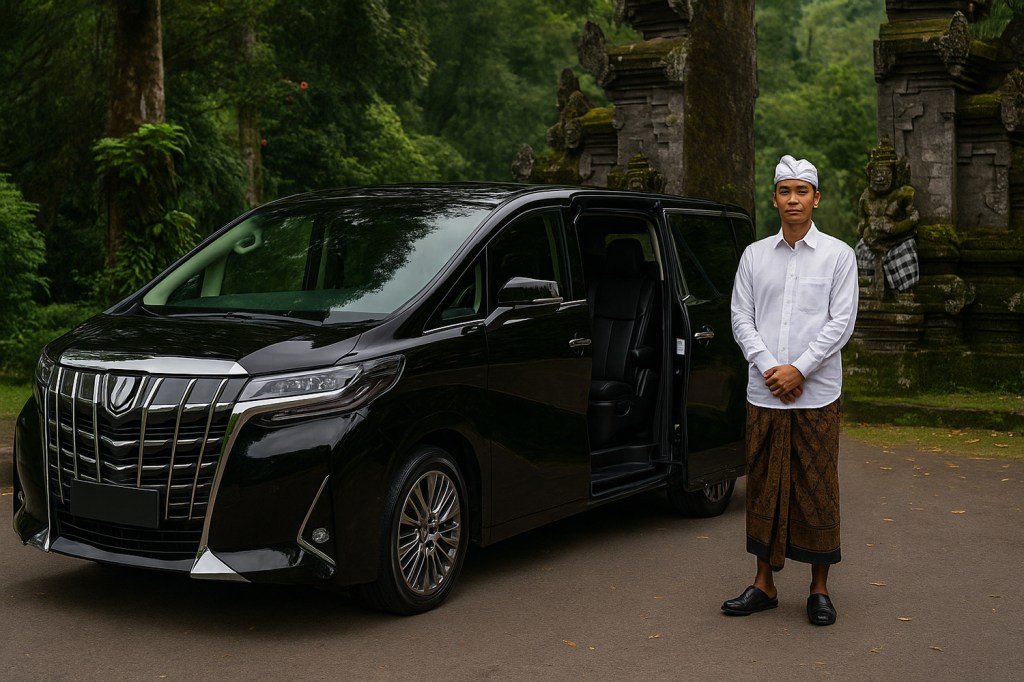
    Okay, so let’s break down what “luxury car rental with driver” really means in Bali. This isn’t like some Uber XL showing up with a guy who’s just following the GPS. No — think late-model Toyota Alphards or Hyundai H-1s, plush leather seats, ice-cold AC, mineral water on hand, and usually a driver who’ll greet you with a smile, a sarong recommendation, and a willingness to wait outside while you shop for 40 minutes in Canggu’s cute boutiques.

    Most luxury car rentals include:

    • Private English-speaking driver (some even speak Korean, Mandarin, Russian depending on demand)
    • Gasoline and parking fees included
    • Flexible daily rates (usually 8-10 hours per day)
    • Airport pick-up and drop-off
    • Custom itinerary based on your interests

    I once hired a luxury car for a chill girls’ trip to Uluwatu. The driver, Wayan (because of course his name was Wayan — half of Bali is named Wayan!), helped us time our trip so we’d hit sunset just right at Karang Boma Cliff. He even stopped at a warung on the way back so we could grab sambal matah and Bintang. That wouldn’t have happened with a Grab.

    Who Is This For? (Hint: It’s Not Just Rich Tourists)

    I know what you’re thinking: “Luxury” sounds like it’s only for influencers or honeymooners with deep pockets, right?

    Wrong.

    Here’s the thing — Bali luxury car rental with driver is way more affordable than most folks think. I’ve helped backpackers, digital nomads, and even families on a mid-budget plan trips using this service. And when you factor in the cost of fuel, potential scooter accidents (those ER visits aren’t cheap), and the stress of Bali traffic, the extra few bucks are totally worth it.

    If you’re:

    • Traveling with kids or older family members
    • Doing photo shoots or content creation (Instagram husbands, listen up)
    • Visiting multiple places in one day (like a temple tour + waterfall + dinner in Jimbaran)
    • Or just want to ride in comfort with AC and no stress…

    Then trust me, this is for you. Heck, even my semi-adventurous, budget-loving brother ended up using a driver after one week of trying to self-navigate Bali. He literally texted me: “I give up. Booking a driver. You were right.”

    Where Can You Go With a Private Driver in Bali?

    Honestly? Pretty much anywhere on the island — and beyond, depending on the driver and the rental agency’s policies. But let’s talk specifics, because I know you’re here for the juicy stuff.

    Ubud Area

    Ah, Ubud. The cultural heart of Bali. Temples, rice fields, and so many cafes with smoothie bowls and Wi-Fi. Having a driver here means you can hop from the Tegalalang rice terraces to Tirta Empul for a water blessing ceremony, then swing by Campuhan Ridge Walk before sunset.

    Uluwatu and the Bukit Peninsula

    If your idea of paradise includes cliffside temples, surf beaches, and beach clubs like Sundays or Savaya, then Uluwatu is your spot. But man, the roads are twisty and the signage? Super confusing. With a driver, you don’t have to worry about wrong turns or missing that perfect sunset shot.

    They’ll even wait while you sip cocktails at Single Fin or watch the Kecak Fire Dance at Uluwatu Temple. Some will even help you bargain for sarongs (not all heroes wear capes).

    East Bali Adventures

    East Bali is underrated, IMO. You’ve got Lempuyang Temple (aka “The Gates of Heaven”), Tirta Gangga, and some off-the-radar waterfalls that don’t even show up on TripAdvisor.

    Here’s the thing: Getting to East Bali is a haul. We’re talking 2-3 hours depending on traffic. Having a driver means you can nap in a comfy seat on the way there, instead of white-knuckling the steering wheel while a truck overtakes you on a blind curve.

    What’s the Cost of Renting a Luxury Car With Driver in Bali?

    Prices vary based on the car model, the company, and what’s included — but here’s a general ballpark:

    • Standard luxury van (like Alphard): IDR 2,5 million to 3.2 million/day.
    • Luxury SUV (like Fortuner or Pajero): IDR 1.25 to 2.5 million/day
    • High-end VIP models (Mercedes, etc): Starts around IDR 3 million/day and goes up

    These usually cover 10 hours, driver fee, petrol, and basic insurance. Some companies offer packages with photographers or even drone videography (yep, Bali’s next-level like that). Tip: Always double-check what’s included — especially overtime charges, which are common if you’re out late.

    I once booked an Alphard for a day trip from Seminyak to Sidemen and back — a solid 12-hour day. I paid around 3 mil (with tip) and it was so worth it. Leather seats, snacks, phone charger, and a driver who knew all the low-traffic routes? 10/10, would do again.

    How to Find a Trustworthy Luxury Car Rental With Driver in Bali

    Alright, now the real tea — not all rental companies are created equal. Some are super professional, responsive on WhatsApp, and have glowing Google reviews. Others… not so much.

    Here’s what I’ve learned from trial and error (and from friends who’ve had weird experiences):

    Use Local Recs & WhatsApp

    Most drivers operate through WhatsApp, and yes, it’s totally normal. If your villa host or Airbnb manager recommends someone, trust them. Locals usually have a short list of reliable drivers they refer to guests.

    Ask for photos of the car, prices, and what’s included. If they respond fast and clearly, that’s already a good sign.

    Check Instagram & Social Proof

    Believe it or not, a lot of drivers now run their own IG pages with testimonials, story highlights, and car pics. It’s a good way to get a feel for their vibe and how they treat guests. I once booked a guy named Gusti just because his IG story showed him helping an elderly couple get in and out of a van with so much care — I was sold.

    Book in Advance During Peak Season

    July to September and late December? Bali’s packed. Don’t risk it — book your driver at least a week ahead if you’re picky about the car model or have a tight schedule. Some of the best drivers get booked months in advance by return guests (yes, they’re that good).

    Small Things That Make a Big Difference (Trust Me on These)

    Alright, I’m gonna rapid-fire a few random things I’ve picked up from using Bali drivers over the years — these little tips might save you a headache or two.

    • Bring small cash: While the rental covers gas, you’ll want small bills for temple donations, tips, or that cold coconut by the roadside.
    • Screenshot your itinerary: Phone signals can be spotty in the mountains. Your driver probably knows the route, but it helps.
    • Talk to your driver: Most are lovely humans with stories, tips, and jokes. One told me a local legend about a haunted beach that I STILL think about.
    • Confirm AC settings before you go: It’s hot. You’ll want that AC pumping before the first hill.
    • Let the driver help you plan: They usually know which temples are actually worth visiting and which ones are just tourist traps with entry fees.

    Is It Safe? (Yep, and Then Some)

    This one’s easy — yes. Bali’s one of the safest places I’ve traveled, and local drivers take their jobs seriously. Many of them have been driving tourists for years, and they understand how important comfort and reliability are. Most speak at least basic English, and a lot are fluent.

    In fact, a good chunk of these drivers build long-term relationships with their guests. I met one guy who’d been using the same driver for 7 years — every single trip. He said it felt like visiting family. That’s the vibe.

    When You Shouldn’t Rent a Luxury Car With a Driver

    Alright, I’ll be real — this isn’t for every situation.

    If you’re solo and doing a short-distance stay (like hopping between Canggu and Seminyak), it might make more sense to use ride apps like Grab or Gojek. Or if you’re staying put at a beach resort for days and don’t plan on moving much — save your cash.

    But anything beyond that? Trust me — hire the driver. You’ll thank yourself when you’re cruising past a line of stuck scooters on a steep hill near Munduk, sipping bottled water in the back seat like royalty.

    Sample Itineraries for Bali Luxury Car Rental With Driver

    1-Day Ubud Culture & Nature Trip (Great for First-Timers)

    This one’s my go-to for friends visiting Bali for the first time. It’s packed, but doable with a good driver who knows how to skip traffic pockets.

    Morning: Start around 8 AM. Your driver picks you up from your hotel in Seminyak or Canggu. First stop is Tegenungan Waterfall — go early to beat the Insta-crowds.
    Mid-morning: Head to Tegalalang Rice Terrace, grab a fresh coconut, maybe even do the swing (super touristy, but fun once). Then stop by a Luwak coffee plantation nearby — some drivers have personal favorites, and they’ll usually hook you up with a guide.
    Lunch: Head into central Ubud for lunch at Ibu Oka (for babi guling) or Zest if you’re vegan. Your driver will know shortcuts around the one-way madness downtown.
    Afternoon: Check out Saraswati Temple or the Monkey Forest — though personally, I skip the monkeys unless you’re into chaos. Then hit up Campuhan Ridge Walk for golden hour.
    Evening: Drive back. If you’re not too tired, stop at Sayan House or La View for dinner with a jungle view.

    Your driver will wait patiently while you eat, explore, and even carry your shopping bags (no joke — they’re just that nice). It’s a full-day loop, probably around 10 hours total.

    1-Day South Bali Beach Club Crawl (Uluwatu Vibes)

    This one’s a vibe — all about beaches, cocktails, and that glam Bali life.

    • Start at 10 AM: No rush. Let your driver pick you up after breakfast and head to Melasti Beach — super scenic, clean, and great for swimming. Your driver will usually know where to park without getting stuck in the chaos.
    • Lunch: Book a table at Sundays Beach Club or Karma Kandara. These places usually have minimum spends, so check ahead. Your driver can help with that too, or even call ahead for you if they’re extra helpful (many are).
    • Mid-afternoon: Head to Padang Padang or Thomas Beach. These are more chill, local-feeling spots. If you’re more into photo ops than swimming, go to Karang Boma Cliff for killer views.
    • Sunset: Watch the famous Kecak Dance at Uluwatu Temple — your driver will time it so you’re there by 5:30 PM, which is when it starts filling up. Sunset here is magic, and the dance is unforgettable.
    • Dinner: Seafood feast at Jimbaran Bay — most drivers have their go-to spot where the fish is fresh and prices are fair. Avoid the tourist traps, though; just ask your driver where they would eat.

    Expect a longer day with this one, maybe 12 hours. Most drivers are cool with a slight overtime charge if you communicate ahead.

    What Kind of Cars Are We Talking About, Really?

    Let’s geek out for a second on the cars themselves, because when folks hear “luxury,” everyone’s imagining something different.

    Toyota Alphard – Bali’s VIP Chariot

    The Alphard is like the unofficial “luxury car” of Bali. Think comfy leather seats, slide-open doors, adjustable A/C, and sometimes even massage seats. Great for families, couples, or small groups. Super smooth ride. Drivers often keep them spotless and stocked with bottled water and tissues.

    Hyundai H-1 – Spacious and Reliable

    A little less “fancy,” but still super comfy. Perfect for small groups or longer drives to the north or east. I rode one of these from Ubud to Amed with three other people and all our scuba gear — no issues, no cramps, no drama.

    SUV Options – Fortuner, Pajero, Innova

    If you’re heading up into the hills or want something a little sportier, ask for a Toyota Fortuner or Mitsubishi Pajero. They handle Bali’s mountain roads better than the vans. Just note the ride can feel stiffer. Some also rent the Toyota Innova, which is comfy but a little smaller than an Alphard.

    Full-On Luxury – Mercedes, BMW, Lexus

    Yep, you can get these too. But they’re rare and pricey, mostly used for weddings, events, or those baller honeymooners. Expect to pay double (or more) — and these aren’t always available outside South Bali.

    What to Ask Before You Book (Learn From My Mistakes)

    Booking a Bali luxury car rental with driver sounds easy, and most of the time it is. But it’s still Bali, and things work differently here. If you wanna avoid surprises, ask these upfront:

    • What’s the daily rate and what’s included? (Petrol, parking, tolls, etc.)
    • How many hours does that cover? (Usually 10, but clarify)
    • What are the overtime fees? (This is where people get caught off guard)
    • Can we choose our own itinerary?
    • Is the driver fluent in English?
    • Is the car insured and clean?
    • Can we stop whenever we want? (Most will say yes, but good to check)

    Also: Don’t be shy about asking for car photos. If it’s listed as a luxury vehicle and the pic shows an old Avanza with curtains in the window… yeah, no thanks.

    A Few Weird But True Perks of Having a Bali Driver

    Alright, this might sound silly, but these are some random things I’ve loved about having a driver:

    • They know where to find the cleanest bathrooms on long drives (if you’ve been on Jalan Raya Denpasar for 2 hours, you’ll get it).
    • If it’s raining, they’ll drop you at the door and wait with an umbrella.
    • They’ll recommend underrated warungs that aren’t on Google but serve next-level ayam betutu.
    • They’ll gently tell you if a tourist attraction is… not worth it. One driver literally said, “You can go, but it’s mostly for TikTok now. Not very real Bali.”
    • They’ll watch your stuff in the car while you go explore. That alone makes it worth it.

    Common Myths About Bali Luxury Car Rental With Driver

    “It’s too expensive”

    Nah. Compared to daily Grab rides or rental car headaches? This often works out cheaper — especially for couples or small groups. And it saves you hours of stress.

    “It’s only for tourists who don’t want to explore”

    Wrong again. Having a driver doesn’t mean you’re “lazy” — it means you get to explore more without wasting time figuring out parking, tickets, or weird road signs. You’ll actually see more, not less.

    “You can just use Grab or Gojek everywhere”

    Not true in places like Uluwatu, Sidemen, or even certain parts of Ubud. There are entire zones where ride apps aren’t allowed. You’ll see signs saying “No Online Taxi.” Having a driver means you’re not stranded or overpaying for a local taxi.

    Drivers Talk — Be a Cool Passenger

    This might be obvious, but here’s a quick reminder: treat your driver like a human, not a chauffeur.

    The best relationships I’ve built in Bali were with drivers who ended up telling me about their families, recommending quiet beaches, and even sharing food with me on the road.

    A little kindness goes a long way:

    • Bring them a coffee or snack once in a while.
    • Say thank you in Bahasa (“Terima kasih, Pak!”).
    • Ask about their village, or how long they’ve been driving.

    You’re not just hiring a service — you’re supporting someone’s livelihood. And in return, you often get way more than just transportation. You get stories, smiles, and sometimes… a friend for life.

  • Hostels in Bali: A Budget Traveler’s Dream

    Hostels in Bali: A Budget Traveler’s Dream

    Hostels in Bali are a great way to experience this Indonesian paradise without breaking the bank. Whether you’re a solo traveler, a backpacker, or a digital nomad, Bali offers an array of hostels that cater to every type of traveler. From vibrant, social spaces to more tranquil retreats, hostels in Bali are designed to provide the perfect balance of comfort, social connection, and affordability.

    Bali’s popularity as a travel destination continues to grow, and with good reason. Known for its incredible beaches, vibrant culture, and serene temples, Bali is a place that attracts thousands of travelers every year. However, for many, the high costs associated with staying in resorts or private villas can make Bali seem out of reach. This is where hostels come in.

    In this article, we’ll take a look at why hostels in Bali are the ideal accommodation for budget-conscious travelers, the best areas to stay in, and the variety of hostels you can choose from based on your preferences and needs.

    What Makes Hostels in Bali Unique

    The appeal of staying in hostels in Bali goes beyond the affordable price tag. These hostels offer a social and engaging environment, making it easy to meet fellow travelers from all over the world. Whether you’re looking for new friends to explore Bali with or simply want to relax and unwind, hostels create an atmosphere that fosters social connections.

    Read also our post: Is Bali Worth Visiting

    Bali’s hostels come in all shapes and sizes. Some are known for their party-friendly vibes, while others cater to those looking for peace and quiet. There are even eco-friendly hostels and co-living spaces for digital nomads, making Bali in hostels a truly diverse experience for all types of travelers.

    • Party Hostels: These are often found in popular tourist areas like Kuta and Seminyak, where nightlife is a huge draw. Party hostels are great for young travelers who want to meet people, enjoy a vibrant atmosphere, and be close to Bali’s iconic beach parties.
    • Eco-Friendly Hostels: Bali is known for its focus on sustainability, and many hostels in Bali are embracing this trend. Eco-friendly hostels use solar power, promote recycling, and often have organic gardens. If you’re looking to reduce your environmental footprint, Bali is an excellent place to stay in a hostel that shares your values.
    • Yoga and Wellness Hostels: Bali’s wellness scene is booming, and many hostels now offer yoga retreats, wellness programs, and meditation sessions. Staying in a hostel like this provides an affordable way to dive into Bali’s healing culture without the price tag of a luxury spa retreat.
    • Co-living Spaces: Bali has become a hub for digital nomads, and many hostels now offer co-living spaces that cater to this group. These spaces allow you to work remotely while meeting like-minded individuals, making it easy to balance work and travel. Co-living spaces in hostels often come with shared office spaces, Wi-Fi, and a community atmosphere.

    Best Areas in Bali for Hostels

    Bali offers a variety of locations, each with its own charm and appeal. Whether you’re looking for beaches, culture, nightlife, or tranquility, there’s a perfect spot for you.

    • Kuta: Known for its beaches and lively nightlife, Kuta is one of the most popular areas for hostels. Here, you’ll find a range of budget-friendly hostels that cater to young travelers who want to experience Bali’s party scene. Kuta is home to some of Bali’s best surf spots, making it a great choice for surfers as well.
    • Seminyak: A step up from Kuta, Seminyak offers a more sophisticated vibe while still being home to numerous hostels. It’s the perfect place for those looking to enjoy Bali’s trendy beach clubs, high-end boutiques, and upscale cafes, without spending a fortune on accommodation.
    • Canggu: If you’re a digital nomad or someone who enjoys a laid-back atmosphere, Canggu is where you want to be. Known for its surf culture, healthy lifestyle, and thriving co-working spaces, Canggu has become a hotspot for hostels, especially those catering to remote workers and wellness-focused travelers.
    • Ubud: For a more serene, cultural experience, Ubud offers hostels that are tucked away amidst lush rice paddies and jungle landscapes. This area is ideal for those looking to explore Bali’s cultural heart, visit ancient temples, or dive into yoga and meditation retreats.
    • Uluwatu: For surfers and beach lovers, Uluwatu offers stunning coastal views and a quieter, more relaxed vibe. The hostels here tend to attract travelers who are focused on surfing and enjoying Bali’s beautiful beaches in a more peaceful setting.

    Benefits of Staying in Hostels in Bali

    There are several advantages to staying in hostels in Bali. Here are just a few reasons why hostels in Bali are a great option for your trip:

    • Affordable Accommodation: Bali has a reputation for being expensive, but staying in a hostel can help keep your travel costs down. You’ll find plenty of options ranging from dormitory-style rooms to private rooms, making it easy to fit your accommodation to your budget.
    • Social Atmosphere: Bali hostels are ideal for solo travelers looking to meet others. With common areas, shared kitchens, and organized social events, hostels create the perfect environment to connect with fellow travelers. Whether you’re interested in a group dinner, a surf lesson, or a group tour, hostels provide the opportunity to bond with like-minded individuals.
    • Authentic Local Experiences: Staying in a Bali hostel often means you’ll be more immersed in the local culture. Many hostels organize local tours, cooking classes, and cultural experiences, helping you learn more about Bali while you travel.

    Hostel Facilities and Amenities

    When choosing a hostel in Bali, it’s important to consider the facilities and amenities available. Depending on the type of hostel you choose, you might find anything from basic shared rooms to luxurious private suites.

    • Basic Amenities: Most hostels offer free Wi-Fi, secure lockers, and shared kitchens. You’ll also find communal spaces where you can relax, socialize, or plan your next adventure.
    • Premium Facilities: For those seeking a little extra luxury, many Bali hostels offer amenities such as swimming pools, rooftop bars, yoga studios, and even private pools in certain private rooms. These facilities elevate the experience, especially for travelers looking to blend relaxation with their hostel stay.
    • Eco-Friendly Features: Many hostels in Bali are adopting sustainable practices, offering eco-friendly options like water-saving showers, solar panels, and organic toiletries. For travelers who prioritize sustainability, these hostels offer a guilt-free stay.

    How to Choose the Right Hostel in Bali

    Choosing the right hostel in Bali depends on your preferences and what kind of experience you want to have. Here are some key factors to consider:

    • Location: Whether you want to be near the beach, cultural sites, or cafes, the location of the hostel is key. Research what the area offers and choose a hostel that puts you close to what interests you.
    • Budget: Bali offers hostels for every budget. If you’re on a tight budget, you can easily find affordable options, while mid-range and luxury hostels offer additional amenities for a bit more.
    • Reviews and Reputation: Make sure to check reviews before booking your stay. Websites like Hostelworld and Booking.com offer extensive reviews from previous guests, providing valuable insight into the hostel’s cleanliness, atmosphere, and service.

    Digital Nomads and Co-Living Spaces in Bali

    For digital nomads, Bali is one of the top destinations for combining work and travel. Many hostels now cater specifically to this group, offering co-living spaces that include shared office spaces, fast Wi-Fi, and opportunities to network with fellow remote workers. Areas like Canggu are particularly popular with digital nomads, thanks to their balance of work-friendly spaces and relaxed atmosphere.

    Challenges of Staying in Hostels in Bali

    While hostels in Bali offer plenty of benefits, there are also a few potential downsides to consider:

    • Noise Levels: In more popular hostels, especially party hostels, noise can be a concern. If you’re a light sleeper, consider choosing a quieter hostel or booking a private room.
    • Privacy: Hostels are social by nature, so privacy can sometimes be limited. However, many hostels offer private rooms for those who prefer more space and privacy.

    Booking Hostels in Bali

    When booking hostels in Bali, it’s always a good idea to book in advance, especially during peak seasons like July, August, and the holiday period. Websites like Hostelworld, Booking.com, and Agoda provide easy ways to compare prices and read reviews before booking.

    Bali’s hostels offer a unique and enriching way to experience the island. Whether you’re a budget traveler, a solo adventurer, or a digital nomad, hostels in Bali provide affordable, social, and flexible accommodation for everyone. With their welcoming atmosphere, diverse options, and prime locations, hostels in Bali are the perfect base for exploring all the magic this island has to offer.

    Why Bali’s Hostels Are the Perfect Place for Solo Travelers

    If you’re traveling solo, Bali hostels are a fantastic way to meet new people, make friends, and share experiences. One of the most compelling reasons to stay in a hostel in Bali is the strong sense of community. Bali is known for attracting a diverse range of travelers, and in a hostel setting, it’s easy to connect with fellow adventurers from all over the world.

    Many hostels in Bali organize social events like group dinners, movie nights, yoga sessions, and local tours. These events help foster a relaxed, social environment where you can mingle with others, whether you’re a solo traveler, a couple, or part of a group. In addition, hostels typically have common areas like lounges, kitchens, and pools where travelers can chat and share tips or plans for their time on the island.

    For those new to traveling alone or looking to step outside their comfort zones, Bali hostels provide a safe, fun, and open space to meet like-minded individuals who are also there to explore and experience the beauty of Bali. Plus, you never know—your next travel buddy might just be staying in the bunk next to you.

    Balancing Relaxation and Adventure: Hostels in Bali for Every Traveler

    Whether you’re looking for a serene space to unwind after a long day of exploring or seeking high-energy activities with a group of fellow travelers, hostels in Bali offer the perfect balance. The versatility of hostels in Bali ensures that travelers of all types can find an option that suits their individual needs.

    For the Adventurous Traveler

    Bali is a haven for adventure enthusiasts, and hostels in Bali are ideally located for accessing some of the island’s best outdoor activities. Many hostels organize tours to places like Mount Batur, where you can hike to watch an unforgettable sunrise, or to the famous Tegallalang Rice Terrace for breathtaking photo opportunities. If you’re into surfing, Canggu and Kuta offer hostels that cater specifically to surfers, often with surfing lessons and surfboards available to rent.

    Additionally, hostels in areas like Uluwatu provide easy access to some of Bali’s best surfing spots. If you’re a thrill-seeker, you’ll also find hostels that offer easy access to other extreme sports like zip-lining, cliff diving, or paragliding.

    For the Peace-Seeking Traveler

    For those seeking peace and tranquility, there are plenty of hostels in Bali that offer more serene and laid-back atmospheres. Many Ubud hostels are surrounded by lush greenery and rice fields, offering the perfect environment for rest and reflection. These hostels are often located near yoga retreats, offering wellness programs, meditation workshops, and detox packages that allow you to reset and rejuvenate in a peaceful environment.

    In addition to yoga, many hostels in Ubud also host creative workshops, such as cooking classes, art classes, or traditional Balinese music and dance sessions, so you can immerse yourself in Bali’s vibrant culture at a leisurely pace.

    For Digital Nomads

    Bali has earned its reputation as a paradise for digital nomads, and hostels in Bali are at the center of this movement. The growing trend of co-working and co-living spaces has transformed many hostels into hubs for remote workers looking to combine work and travel.

    In areas like Canggu and Ubud, hostels offer dedicated co-working spaces with high-speed internet, private rooms, and comfortable working areas where digital nomads can collaborate and network with fellow travelers. These hostels often host meetups and social events to foster community and collaboration, making it easy to connect with like-minded professionals.

    Whether you’re writing blogs, running a business, or working on a creative project, Bali’s co-living hostels provide an ideal environment to balance productivity and relaxation. The vibrant atmosphere in these spaces fosters both collaboration and inspiration, helping you make the most of your time working remotely.

    What Makes Bali Hostels Stand Out from Other Destinations

    While hostels are common around the world, Bali’s hostels offer something truly special. The combination of stunning landscapes, rich cultural heritage, and a thriving community of travelers makes Bali a unique and attractive destination for those seeking a hostel experience.

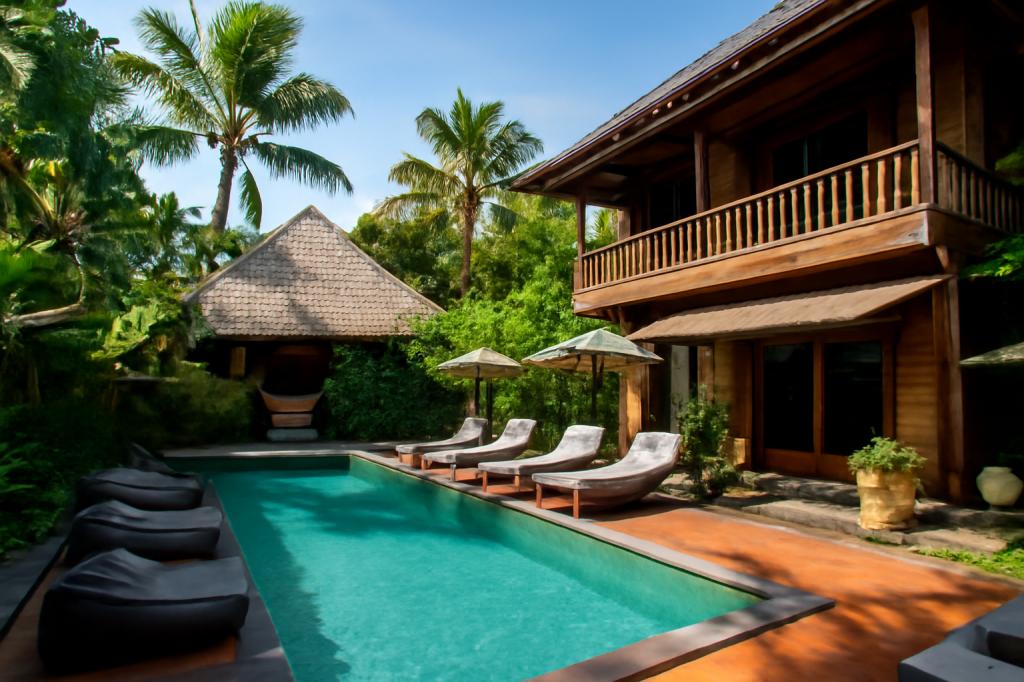
    Many hostels in Bali are designed to blend seamlessly with the environment, using traditional Balinese architecture and natural materials to create an atmosphere that feels like an extension of the island’s natural beauty. From bamboo structures to infinity pools overlooking lush valleys, Bali’s hostels are designed to offer a unique and unforgettable experience for travelers.

    Moreover, the variety of hostels in Bali ensures that there’s something for everyone. Whether you’re looking for a modern, minimalist design or something more traditional, you’ll find a range of options that allow you to immerse yourself in the authentic atmosphere of Bali, all while enjoying the comforts and conveniences that hostels offer.

    The Growing Trend of Eco-Friendly Hostels in Bali
    As environmental sustainability continues to gain momentum around the world, Bali’s hostels have also embraced eco-friendly practices. Bali is home to some of the most eco-conscious travelers, and many hostels are doing their part to reduce their environmental impact.

    Eco-friendly Bali hostels are designed with sustainability in mind, utilizing solar energy, water-saving measures, and compostable products. Many also prioritize using local materials, supporting Balinese artisans, and offering organic food options for their guests. Staying in an eco-friendly hostel allows travelers to contribute to sustainable tourism, helping to preserve the island’s natural beauty for future generations.

    These sustainable practices don’t just stop at the infrastructure; many Bali hostels also promote cultural awareness by educating their guests about environmental issues and organizing local cleanup events or community service projects. This gives travelers the opportunity to give back to the island and engage with the local community in meaningful ways.

    How to Book the Best Hostels in Bali

    Booking a hostel in Bali is simple, but with so many options available, it’s important to consider a few factors before making your reservation.

    • Use Reliable Booking Websites: Websites like Hostelworld, Agoda, Booking.com, and Airbnb are excellent places to compare prices, check reviews, and find the best deals on Bali hostels.
    • Read Reviews: While the price and location are important, it’s always best to read reviews from previous travelers to get an honest sense of the hostel’s atmosphere, cleanliness, and service quality. Look for comments about the hostel’s vibe, staff friendliness, and whether it meets your specific needs, like Wi-Fi quality or noise levels.
    • Consider Peak Season: If you’re traveling during Bali’s peak seasons (July to August or Christmas/New Year), be sure to book your hostel well in advance. Bali attracts thousands of tourists during these times, and popular hostels can fill up quickly.
    • Check the Amenities: Depending on your needs, make sure the hostel offers the amenities you require. For example, digital nomads may want to verify that the hostel has a good work environment and high-speed internet, while wellness travelers might prefer a hostel with yoga classes or wellness programs.

    Tips for Making the Most of Your Hostel Stay in Bali

    • Be Open to New Experiences: Bali is a place that encourages exploration, and hostels are a great way to meet people and try new things. Don’t hesitate to join in on social events, tours, or activities offered by the hostel. You’ll be surprised at how many new connections you can make, all while enjoying the island’s stunning beauty.
    • Stay Flexible: When traveling in Bali, it’s best to remain flexible with your plans. Weather conditions, local events, or spontaneous adventures may change your itinerary, and hostels provide the perfect flexibility to adapt to new opportunities as they arise.
    • Respect Local Culture: Bali has a rich cultural heritage, and as a guest, it’s important to respect the local customs and traditions. Many hostels in Bali offer cultural immersion activities, such as temple visits or Balinese cooking classes, which are a great way to learn more about the island and its people.

    Bali’s hostels are more than just a place to sleep—they offer a social, affordable, and enriching way to experience everything this beautiful island has to offer. From the tranquil rice terraces of Ubud to the lively beaches of Kuta, hostels in Bali provide the perfect base for adventurers, digital nomads, partygoers, and solo travelers alike. Whether you’re seeking adventure, relaxation, or a chance to meet new people, Bali’s hostels offer an unforgettable experience that perfectly complements the magic of this tropical paradise.

  • Is Bali Worth Visiting? A Local’s Take on What You Need to Know

    Is Bali Worth Visiting? A Local’s Take on What You Need to Know

    When it comes to Bali, the question on everyone’s lips is, “Is Bali worth visiting?” And honestly, it’s not just a yes or no answer—it’s way more complicated (and way more exciting) than that. If you’re thinking about booking a flight to this Indonesian paradise, there are a few things you gotta know before you go, and I’m here to break it all down for you.

    As someone who’s been in the driver’s seat (literally—I’m the one driving the tourists around Bali), I’ve seen it all. I’ve watched people fall in love with Bali’s beaches, temples, and vibes, and I’ve also seen people get frustrated or disappointed because they didn’t really know what to expect. So, let’s dive into it. Whether you’re considering Bali for a relaxing getaway, a cultural experience, or a bit of both, I’ll give you the lowdown.

    Bali’s Unique Vibe: More Than Just Beaches

    Let’s start with the obvious: Bali’s beaches. Are they worth visiting? Oh, absolutely. But here’s the thing, Bali is so much more than just sun, sand, and surfboards. Sure, the coastline is stunning—especially spots like Uluwatu, Seminyak, or Nusa Dua—but there’s a whole world waiting beyond the beaches.

    First off, Bali’s culture is rich and deep, and it’s not just about the Instagram-worthy temples (though those are great for your feed). As a local, I can tell you that you’ll see the spiritual side of Bali everywhere, from the incense wafting through the air in local markets to the daily offerings that Balinese people make. It’s not just something you “see” – it’s something you feel. This island pulses with energy, and if you’re open to it, you’ll feel like you’re part of something much bigger than yourself.

    Read also: Candidasa Beach

    Plus, let’s talk about the food. If you’re a fan of fresh, healthy, and flavorful food, Bali’s got your back. From smoothie bowls in Canggu to traditional babi guling (suckling pig) in Ubud, every corner has something to offer. I’ll tell you now, you can easily live on fresh fruit, delicious seafood, and nasi goreng (fried rice) for weeks and not get bored.

    The Cost Factor: Bali Doesn’t Have to Be Expensive

    One of the biggest misconceptions about Bali is that it’s some ultra-luxury destination that will drain your wallet. People hear “Bali” and think expensive resorts, but that’s not always the case. Yeah, you can splurge on a five-star resort in Seminyak, but you can also find amazing, budget-friendly accommodations that offer tons of charm.

    Take my advice: don’t let the fancy hotels fool you. Bali has everything in terms of accommodation. You can stay in a swanky villa with a private pool in Ubud for less than the cost of a budget hotel back home. Or if you’re traveling solo or with a couple of friends, you can crash in a cozy guesthouse that’ll cost you next to nothing.

    And when it comes to food, you can get a decent meal in Bali for a few bucks. Heck, if you’re feeling adventurous, hit up a warung (a small, family-owned eatery) for an authentic Balinese meal that’ll cost you less than your Starbucks order.

    When to Visit: Timing is Everything

    The best time to visit Bali? That depends on what you’re looking for. If you’re all about the sunshine and hitting the beaches, the dry season (May to October) is your go-to. The weather is perfect for exploring, lounging by the pool, and outdoor activities like hiking Mount Batur or checking out the rice terraces in Tegallalang.

    But, if you want to avoid the crowds and don’t mind a bit of rain (it usually comes in short bursts), the rainy season (November to April) can be a great time to visit too. The island is less crowded, and you’ll get a more peaceful experience. Plus, everything’s lush and green, making it perfect for those Instagram-worthy photos.

    But, a little side note here—don’t let the rainy season deter you. I’ve driven plenty of people around in the middle of the rain, and as long as you pack your umbrella, it’s not the end of the world. Plus, the rain comes and goes, so you’ll have plenty of sunshine mixed in.

    Exploring Bali Beyond the Tourist Spots

    Alright, so you’re here for more than just a beach vacation. Bali’s got you covered there too. If you’re into exploring the culture, Bali is full of spiritual sites and hidden temples that’ll leave you in awe. One of my favorite places to take visitors is the Tirta Empul Temple in Tampaksiring. It’s a sacred water temple where locals come to purify themselves, and honestly, the energy there is unlike anything you’ll experience in a typical tourist trap.

    Then there’s Ubud, which is the beating heart of Bali’s arts and culture scene. If you’ve ever seen those stunning rice terrace photos, Ubud is where you want to be. Trust me when I say, the experience of standing on the terraces, listening to the birds, and watching the locals work the land is something you’ll remember forever.

    Also, Bali is not just about the temples and rice fields. I’m talking hiking, yoga retreats, and diving into the local arts scene. Take a day trip to the waterfalls in the north or go exploring the quieter beaches around Amed and Lovina. Bali has something for everyone, and if you want to really experience it all, you’ve gotta get off the beaten path.

    The Balinese People: Warmth and Hospitality Like No Other

    I’ve had the pleasure of driving tourists around Bali for years, and let me tell you, the people here are the soul of the island. I’ve met so many travelers who’ve said that what really made their trip unforgettable wasn’t the sights or the food, but the people they met along the way. The Balinese are incredibly welcoming and warm, and no matter where you go, you’ll feel the hospitality.

    I always tell people, don’t just stay in the touristy spots. Take a moment to chat with a local shop owner, visit a village, or attend a traditional ceremony. You’ll learn so much about the culture and leave with a deeper understanding of Bali.

    Exploring Bali’s Vibrant Nightlife and Daytime Adventures

    Now, let’s talk about another huge draw of Bali: its nightlife and daytime activities. If you’re the kind of person who likes to start your day with a sunrise hike and end it with some cocktails by the beach, Bali’s got a little bit of everything.

    Bali by Day: Adventure, Nature, and the Great Outdoors

    You can’t say you’ve truly experienced Bali unless you’ve had a little adventure under your belt. I’ve taken tourists on all kinds of day trips, and I’ve gotta say, Bali’s natural beauty is the gift that keeps on giving. If you’re into hiking, the Mount Batur sunrise trek is a must-do. You’ll get picked up in the early hours (don’t worry, the view is so worth the sleep deprivation), and you’ll reach the summit just in time for a breathtaking sunrise over the caldera lake. It’s a physical challenge, but the views? Unreal.

    Another thing that’s awesome about Bali’s outdoor scene is the water activities. If you’re into water sports, the beaches around Sanur and Nusa Lembongan are some of the best places to try your hand at paddleboarding, surfing, or snorkeling. The underwater life around these islands is vibrant, and the water is crystal clear. Nusa Penida, in particular, is perfect for those wanting to experience a more rugged, untouched part of Bali. Be sure to check out the Keling King Beach and Angel’s Billabong—it’s a little tricky to get to, but trust me, it’s worth the effort.

    If you’re more into low-key days, there are plenty of places for just a relaxing afternoon, too. Bali’s rice fields in Ubud are perfect for a calm walk, where you can learn a bit about the local farming practices while taking in the scenery. Or, grab a book, relax by the beach, and enjoy the slow Bali life.

    Bali by Night: Beaches, Bars, and the Party Scene

    When the sun goes down, Bali doesn’t go to sleep. Far from it! If you’re looking for a vibrant nightlife scene, places like Seminyak and Kuta are your playground. Seminyak is the go-to spot if you like sipping cocktails at trendy beach clubs while watching the sunset. Potato Head Beach Club is a popular hangout, and the vibe there is chill with a touch of class. You get stunning ocean views and good food, not to mention the pool that’s perfect for an afternoon swim.

    Kuta, on the other hand, is where the party’s at. It’s loud, it’s busy, and it’s where you’ll find tons of bars, nightclubs, and beach parties that go into the early hours of the morning. If you’re the kind of person who wants to dance the night away and let loose, this is the spot. Trust me, it’s a fun ride, but be prepared for the hustle and bustle.

    Ubud, while more laid-back, also has a great little bar scene, especially for those who want to enjoy a drink while listening to live music. If you prefer something quieter, head to one of the many cafés in Ubud where you can sip on fresh juices and unwind. You’ll find that no matter what vibe you’re after, Bali delivers.

    Getting Around Bali: Practical Tips from a Local

    If you’re thinking about getting around Bali, there’s one thing I need to tell you right now—don’t expect things to be like they are back home. Bali moves to its own rhythm, and transportation here is a whole experience in itself.

    As a private driver, I’ve driven people around Bali for years, and I can tell you that while it’s relatively easy to get from place to place, there are some quirks. Traffic can be crazy in places like Seminyak and Kuta, especially during rush hour. But once you leave the crowded spots and head into the quieter towns like Ubud or Sanur, driving becomes way more relaxed. Still, it’s best to plan ahead and avoid peak travel times if you don’t want to spend hours stuck in traffic.

    If you want to get around on your own, renting a scooter is the best option for most travelers. It’s cheap, flexible, and allows you to explore at your own pace. Just make sure you’re comfortable on two wheels—traffic can be a bit chaotic, and the roads aren’t always perfect. You’ll see a lot of locals driving without helmets, but for tourists, I’d highly recommend wearing one just for safety.

    If scooters aren’t your thing, there are also plenty of taxis, private drivers, and even apps like Grab or Gojek for quick, easy rides. Just be mindful of pricing and make sure you agree on the fare upfront if you’re hopping in a taxi. I’ve seen people get surprised by inflated prices when they don’t clarify the fare beforehand, so it’s always a good idea to double-check.

    Bali’s Unique Shopping Experience: From Markets to Boutiques

    Now, I’ve got to talk about Bali’s shopping scene, because it’s another one of those things that makes Bali worth visiting. Whether you’re hunting for souvenirs or looking for high-end fashion, Bali has got something for every kind of shopper.

    If you’re into bargaining and getting unique, handmade items, the markets in Ubud and Denpasar are the place to be. You’ll find all kinds of arts, crafts, and textiles, from beautiful handwoven scarves to wood carvings and jewelry. It’s the perfect spot to pick up gifts or just treat yourself to something you can’t find back home. My best advice for market shopping in Bali? Don’t be afraid to haggle. It’s part of the experience, and the vendors usually expect it. Start low and meet somewhere in the middle. Don’t worry, it’s all part of the fun!

    If you’re looking for something more upscale, the boutiques in Seminyak will be more up your alley. Think boutique clothing shops with unique designs, high-end beauty products, and stylish home decor. It’s definitely more expensive than the local markets, but if you’re after quality goods, you won’t be disappointed.

    I also recommend checking out the local art galleries, especially in Ubud. You’ll find tons of beautiful pieces that showcase Bali’s rich culture. And a little insider tip—many of the artists will allow you to purchase directly from their studios, sometimes at a lower price than what you’d pay in the gallery.

    By now, you can probably tell I’m all in on Bali. It’s not just a vacation spot, it’s a whole experience, and whether you’re looking for adventure, relaxation, or culture, it’s got you covered. If you’re thinking about Bali, go for it! It’ll be a trip you won’t forget. I’ll be here if you need any more tips or advice.

  • Candidasa Beach: A Tranquil Bali Escape

    Candidasa Beach: A Tranquil Bali Escape

    Candidasa Beach in Bali isn’t one of the island’s flashy hotspots like Kuta or Seminyak, but that’s precisely why it’s so special. If you’re the kind of person who craves a peaceful and authentic Bali experience without the hustle and bustle, Candidasa might just be your dream destination. As someone who’s lived and driven all over Bali for years, I’ve come to truly appreciate the serene vibe and off-the-beaten-path charm this little gem of a place offers.

    Let me tell you, there’s something magical about Candidasa. Sure, you won’t find massive clubs or endless crowds, but you’ll be welcomed by quiet beaches, stunning nature, and a slower pace of life. I’ve driven countless tourists to Candidasa, and every time, the reaction is the same: they fall in love with the place. It’s the kind of beach that lets you breathe, unwind, and actually experience Bali in a way that’s different from the usual touristy routes.

    Why Candidasa Beach Is Different

    When most people think of Bali, they picture the busy beaches packed with surfers and beach clubs. While places like Kuta or Legian are perfect for a lively party scene, Candidasa is a whole different vibe. Located on the eastern coast of Bali, Candidasa is far enough from the chaos to offer a sense of calm but still close enough to explore some of Bali’s cultural highlights.

    Here’s the thing about Candidasa: it’s not just a beach—it’s a place that lets you experience Bali’s real soul. I’ve taken guests there who were initially looking for something else, maybe a beach that was more happening or full of nightlife, but they always end up loving it. The calm waters, the stunning views of the ocean, and the surrounding hills create a peaceful vibe that you just can’t find anywhere else on the island.

    Exploring Candidasa Beach: What to Expect

    The Beach

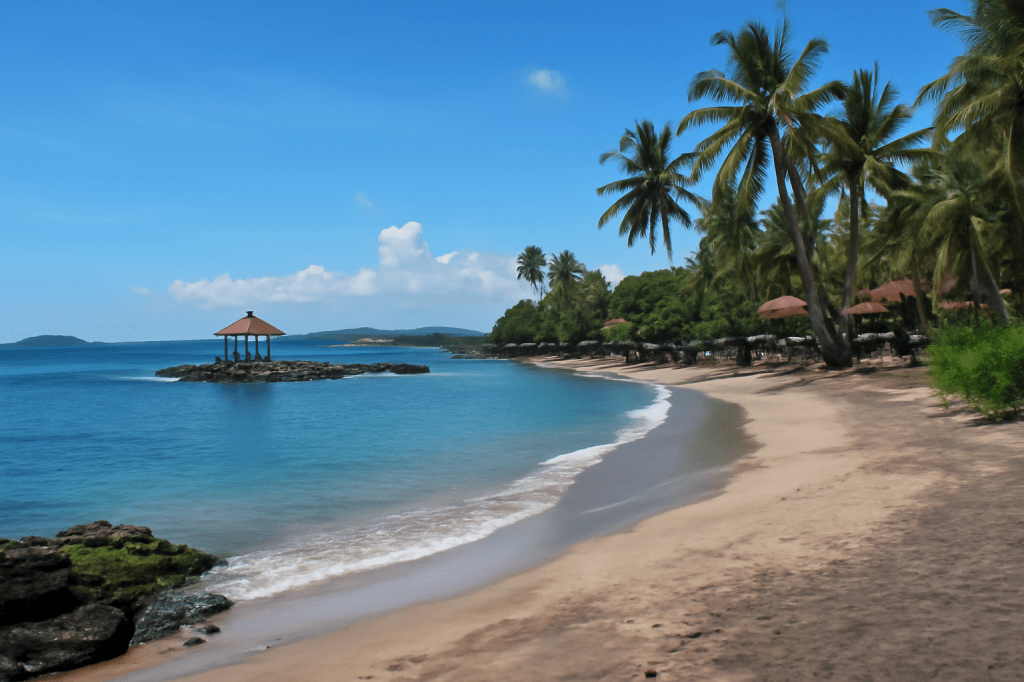
    Candidasa Beach itself isn’t your typical white sandy stretch. It’s a bit more rugged and rocky in parts, but that’s part of its charm. If you’re looking for a quiet spot to just chill, this is it. The beach isn’t packed with sunbeds or beach clubs, so it feels like you’ve discovered a secret little paradise. You’ll often find only a few locals or a handful of other tourists walking along the shore.

    Now, a lot of people ask if the beach here is good for swimming. Well, here’s the deal: the water is calm, but it can be a bit rocky, especially during low tide. But don’t let that discourage you—it’s perfect for those who want to take a peaceful walk along the shoreline, enjoy the view, or dip your toes into the water. For a proper swim, it’s better to head to some of the nearby beaches or beach clubs like Blue Lagoon Beach, which is just a short drive away.

    Relaxing in Candidasa

    Candidasa is known for its tranquility, and there are a lot of great ways to unwind while you’re there. If you’re into yoga, there are several places that offer classes with ocean views. It’s the kind of place where you can leave your phone in the hotel room, switch off, and just enjoy the moment. I often recommend tourists stop by one of the quiet cafés along the shore and grab a fresh coconut or a nice Balinese coffee. The pace is slower here, and that’s something people truly appreciate.

    But it’s not all about just lounging around. If you’re in the mood for a little exploration, there are plenty of activities that’ll get you moving without leaving you feeling rushed or overwhelmed. From visiting temples to snorkeling, there’s no shortage of things to do that let you take it easy while soaking up the natural beauty of this corner of Bali.

    Best Things to Do in and Around Candidasa Beach

    Visit the Goa Lawah Temple

    One of the standout cultural attractions near Candidasa is the Goa Lawah Temple, also known as the Bat Cave Temple. It’s just a short drive away, and trust me, it’s worth checking out. This temple is one of Bali’s six important temples, and it’s home to thousands of bats that live in the cave. The temple sits right on the edge of the ocean, so the views are spectacular.

    It’s a peaceful spot, but it’s also packed with history and culture. When you’re there, you’ll get to see traditional Balinese architecture and can even join in on a local prayer ceremony if you’re lucky. I always suggest a visit to Goa Lawah if you’re staying in Candidasa, as it’s a great way to experience a different side of Bali’s spiritual heritage.

    Snorkeling and Diving at Blue Lagoon

    Just a short ride from Candidasa, Blue Lagoon is one of the best spots for snorkeling and diving in Bali. It’s a quiet, crystal-clear bay, and the underwater life here is pretty incredible. I’ve taken many people here who were shocked by how vibrant and abundant the marine life is. You can rent gear right on the beach and jump into the water to explore colorful coral reefs, schools of fish, and maybe even a sea turtle if you’re lucky.

    If you’re into diving, you’ll love the area even more. There are some excellent dive shops in Candidasa that offer day trips to nearby dive sites, so you can experience Bali’s underwater world in all its glory. It’s definitely one of those activities you don’t want to miss if you’re visiting the area.

    Exploring the Surrounding Villages

    For a truly authentic Balinese experience, take a drive around the surrounding villages. Candidasa is surrounded by small, traditional towns where you can see Bali as it was before mass tourism. I like to recommend a visit to Tenganan Village, an ancient Bali Aga village where you can learn about traditional crafts and the unique culture of the island’s original inhabitants. You’ll get to see beautiful hand-woven textiles and maybe even catch a glimpse of a local ceremony or dance performance.

    If you’re into hiking, there’s also the option to explore the nearby hills and enjoy breathtaking views of the coastline. Just a little off the beaten path, and you’ll feel like you’ve discovered Bali in a whole new light. This is the Bali I love, the Bali that’s not crowded with tourists but full of rich cultural experiences.

    Where to Stay Near Candidasa Beach

    Accommodation in Candidasa tends to be small and intimate, with lots of boutique hotels and villas offering spectacular views of the ocean or lush green hillsides. Most of the hotels here are set up to make you feel like you’re at home. Whether you’re staying in a cozy guesthouse or splurging on a private villa, you’ll find that the service is friendly and the vibe is relaxed.

    One of the standout places I always recommend is the Alila Manggis, a beautiful resort with ocean views and a pool that seems to melt into the horizon. The place is perfect for a quiet retreat, with spa treatments, yoga classes, and an overall calming atmosphere. There’s also a good range of mid-range hotels and guesthouses that offer a more affordable yet still very comfortable stay.

    If you’re someone who loves staying close to nature but with all the comforts, you’ll find some lovely options for eco-friendly hotels in the area too. It’s all about balance here, between comfort and authenticity.

    Food in Candidasa: A Taste of Local Flavors

    When it comes to food, Candidasa has a good mix of options, from local warungs (small restaurants) to more upscale dining experiences. The food is fresh, and you can expect plenty of seafood, especially considering the location along the coast.

    For a truly local experience, check out a warung by the beach and grab a plate of nasi campur (mixed rice) with a side of grilled fish or satay. One of my personal favorites is the seafood at the local restaurant called ‘The Dining Room,’ where you can enjoy a beautiful sunset while sipping on a cold Bintang beer. The fresh catch of the day is always a hit, and it’s a great way to savor Bali’s coastal flavors.

    If you’re in the mood for something a bit fancier, several restaurants around the area offer international cuisines, and there’s always something to suit your tastes. Whether you’re into fresh seafood, traditional Indonesian dishes, or more modern fusion-style eats, you’ll find it all in Candidasa. It’s the kind of place where the food adds to the overall laid-back vibe, and you won’t feel rushed or pressured to move on.

    Why Candidasa Beach is Perfect for Digital Nomads and Remote Workers

    If you’re a digital nomad or someone who can work remotely, Candidasa Beach could be your next great getaway. With Bali becoming an increasingly popular destination for remote workers, it’s important to find a place that offers the right combination of tranquility and modern conveniences—and Candidasa nails it. It’s quiet, beautiful, and far enough from the bustling tourist crowds that you can focus on work, but it’s not so isolated that you’ll feel disconnected from the world.

    Personally, I’ve driven quite a few remote workers to Candidasa over the years. They come to Bali to escape the constant distractions and noise of other busy areas like Seminyak, but they still want decent Wi-Fi and places to grab a bite. Luckily, many of the hotels and cafés around Candidasa cater to this growing community. Many spots offer reliable internet, quiet corners to work from, and ample opportunities to take breaks with a stunning ocean view. Whether you’re looking for a co-working space or just a peaceful café with good Wi-Fi, you’ll find it here.

    I’ve often driven people from the main tourist areas of Bali to Candidasa just so they could get some work done while enjoying the laid-back atmosphere. What they quickly realize is that when you’re surrounded by nature and peacefulness, work feels less like a chore and more like a part of the experience. You get to enjoy those beautiful Balinese sunrises as you sip your coffee and then take a walk along the beach after finishing your tasks.

    Candidasa also offers the perfect work-life balance. I’ve seen people wrap up their workday around lunchtime and then head out to Blue Lagoon for a quick snorkeling session or visit one of the nearby temples. It’s all about finding that zen, and Candidasa provides the perfect environment for it. Plus, if you need a little more action on the weekends, you’re just a short drive from more lively places like Ubud, Sanur, or even the airport.

    Practical Tips for Visiting Candidasa Beach

    Getting There

    Candidasa is located on the east coast of Bali, which means it’s a bit further from the usual tourist hotspots in the south of the island. But that’s part of the appeal, right? It’s not the kind of place you’ll just wander into by accident. Most visitors take a private driver or rent a car. I’ve driven guests there countless times, and it usually takes around 1.5 to 2 hours from the Ngurah Rai International Airport in Denpasar.

    It’s worth noting that the roads leading to Candidasa can be a bit winding and narrow in certain spots. If you’re not used to driving in Bali, I’d recommend hiring a local driver (like me, wink-wink!) to navigate the roads. Plus, you’ll be able to sit back and relax while enjoying the views. Trust me, the journey is just as scenic as the destination, with lush hillsides, rice paddies, and ocean views.

    Best Time to Visit

    The best time to visit Candidasa is during Bali’s dry season, which runs from April to October. The weather is warm and sunny, perfect for outdoor activities like snorkeling, hiking, or just soaking up the sun on the beach. The wet season from November to March can be a bit more unpredictable with occasional rainstorms, but the upside is fewer tourists, meaning you’ll have the place almost to yourself. Just be sure to bring a rain jacket, just in case.

    If you’re planning to visit during the dry season, try to avoid traveling around the peak months of July and August, when Bali tends to get a bit more crowded. This is especially true in the more popular tourist spots, but Candidasa is far enough off the beaten path to still offer a quieter experience even during the busiest months.

    What to Pack

    Packing for Candidasa is pretty simple—think laid-back beach vibes, with a focus on comfort and practicality. Here are a few essentials I always tell my passengers to bring:

    • Swimwear: You’ll definitely want to take a dip in the ocean or lounge by the pool.
    • Sun Protection: A good sunscreen, sunglasses, and a wide-brimmed hat are must-haves. The sun here can be strong, especially during midday.
    • Comfortable Shoes: While Candidasa isn’t a massive walking destination, you’ll still be doing some strolling around, especially if you plan to explore nearby villages or hike in the hills.
    • Light Layers: Even though it’s warm during the day, it can get a little chilly in the evenings, so bring a light sweater or jacket.
    • Waterproof Bag/Case: If you’re planning on snorkeling or swimming, it’s a good idea to have a waterproof bag to keep your essentials safe and dry.

    Most importantly, don’t forget your camera—Candidasa offers plenty of picture-perfect moments, from the beach to the temples to the stunning sunset views.

    Staying Safe and Healthy

    Bali, like any popular tourist destination, comes with some common-sense precautions. In Candidasa, you’ll be far from the madness of the tourist-heavy areas, but you still need to be mindful of a few things.

    • Health: Tap water in Bali is not safe to drink, so always opt for bottled water, even in Candidasa. Thankfully, bottled water is widely available everywhere.
    • Safety: While Candidasa is generally safe, always keep an eye on your belongings, especially in more remote areas or when you’re out swimming. Petty theft can happen anywhere.
    • Respect the Culture: Bali is a deeply spiritual place. When you’re visiting temples or sacred sites, dress modestly, and be respectful of local customs.

    How to Make the Most of Your Time in Candidasa

    Candidasa is more than just a beach—it’s a peaceful escape that allows you to slow down and enjoy the simple pleasures of life. Whether you’re lounging by the beach, exploring local villages, or indulging in some fresh seafood, there’s a relaxed and authentic vibe that’s hard to find in the more tourist-heavy areas of Bali.

    One of the things I’ve noticed over the years is that many visitors come to Candidasa seeking something different—something that allows them to experience Bali in a more meaningful and personal way. And that’s exactly what you get here. There are no big crowds, no rush to do everything in one day. It’s just you, the ocean, and the beauty of Bali at its most serene.

Design a site like this with WordPress.com
Get started